聚乙烯吡咯烷酮 has different K value. The K value of PVP is a characteristic value related to the relative viscosity of PVP aqueous solution, which actually reflects the average molecular weight of PVP. PVP K30 and PVP K90 are the most popular and widely used ones among them. Many people will have questions, are PVP K30 and K90 the same product? What’s the difference between them?
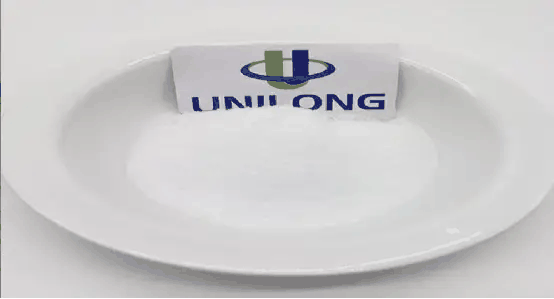
Polyvinylpyrrolidone, short for PVP with CAS 9003-39-8, is one of the important excipients advocated internationally. PVP is a white to milky white powder. Easily soluble in water, alcohol, amines and halogenated hydrocarbons, but insoluble in acetone, ether, etc. It has excellent solubility, biocompatibility, physiological inertness, film-forming properties, film protection ability and the ability to combine various organic and inorganic compounds, and is relatively stable to acids, salts and heat.
PVP K30 and PVP K90 are both homopolymers. They are water-soluble white powders polymerized from N-vinylpyrrolidone (NVP) monomer. The difference between the two lies in their different molecular weights and viscosity. Different, the larger the molecular weight, the greater the viscosity. The molecular weight of PVP K30 is about 40,000, while the molecular weight of PVP K90 is about 1.3 million. Its molecular weight distribution curve is relatively wide.
Homopolymers usually use K values to represent different molecular weights. The higher the K value, the higher the molecular weight. The K value range of PVP K30 is 27-32, and the K value range of PVP K90 is 81-99. According to different product indicators, it is divided into industrial grade, pharmaceutical grade and other grades. It has a wide range of uses in printing and dyeing, medicine, daily chemical and other industries.
Another difference between PVP K30 and K90 is solubility and miscibility. Polyvinylpyrrolidone is a polymer of vinylpyrrolidone of different molecular weights. It is easily soluble in water and does not undergo electrolysis. Its aqueous solution is miscible with cellulose series solutions. It can also be mixed with nonionic, anionic or cationic components such as salicylic acid. PVP K series products can be precipitated by adding a large amount of salt. PVP K90 is easier to precipitate than K30. The solubility of PVP in different organic solvents varies greatly.


Both PVP K30 and PVP K90 are great polymer and have many applications in different fields including industry, pharma, etc. Food industry. PVP can be used as a stabilizer, thickener and taste improver in food, such as in yogurt, beverages and ice cream, to improve the taste, appearance and preservation of food.Pharmaceutical industry. PVP is widely used in the pharmaceutical field due to its excellent solubility, biocompatibility and chemical stability. It can be used as pharmaceutical excipients, pharmaceutical carriers, sustained-release agents and pharmaceutical synthesis intermediates. Daily cosmetics. PVP has good dispersion and film-forming properties and can be used in cosmetics such as styling liquid, hair conditioner, shampoo, cream, and sunscreen to enhance the moistening and lubricating effects.Textile and dye industry. PVP has affinity with many organic dyes and can be used to improve dyeing power and hydrophilicity.
Detergent. PVP has anti-soil redeposition properties and can be used to prepare clear liquids or heavy-duty detergents to prevent skin irritation from synthetic detergents. Paints and Pigments. PVP can increase the gloss and dispersion of coatings and pigments, and improve thermal stability.
If you are interested or have requirements of PVP K30 and K90, welcome to discuss with us.