

Cross-linked PVP (PVPP, CAS 25249-54-1) is an insoluble polymer used to adsorb polyphenols and related compounds from selected liquid systems. Its best-established purification applications include beverage stabilisation and the treatment of plant-derived extracts. The cross-linked structure allows the particles to contact the liquid and then be separated from it.
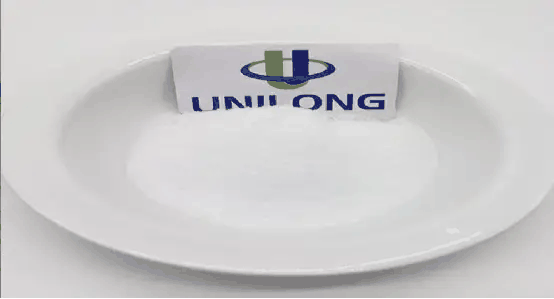
PVPP is generally supplied as a white to creamy-white powder. Adsorption performance, particle size and impurity controls distinguish commercial grades. A beverage processing aid, a pharmaceutical excipient and a material used in laboratory separation can share the same polymer identity while serving different functions and specifications.
How the Cross-linked Structure Supports Adsorption
PVPP is formed from cross-linked N-vinylpyrrolidone units. Its porous particle structure provides sites for interactions with phenolic compounds. Hydrogen bonding contributes to the adsorption of polyphenols, including tannins. The material binds certain components more readily than others; it does not recognise only unwanted molecules.
Unlike soluble PVP, PVPP remains an insoluble solid in water and common organic solvents. The OIV PVPP monograph also describes insolubility in strong mineral acids and alkalis. Insolubility, however, does not establish suitability for every chemical process. Solvent composition, temperature, pH and the compounds being treated still influence practical performance.
Particle size affects contact with the liquid and subsequent solid-liquid separation. Finer particles may behave differently during filtration from coarser grades. A consistent particle-size distribution therefore matters alongside adsorption capacity, especially where filter throughput and powder retention are important production requirements.
Main Purification Applications of PVPP
Beverage Clarification and Stabilisation
Beer, wine and selected fruit-based beverages contain polyphenols that can contribute to haze, browning or excessive astringency. In beer, interactions between proteins and polyphenols are a recognised source of non-biological haze. Reducing selected polyphenols can improve colloidal stability when PVPP treatment is matched to the beverage.
In wine, the OIV treatment guidance identifies PVPP as a processing aid for reducing tannins and other polyphenols associated with browning, astringency and discolouration. The desired result depends on the starting wine and treatment level. Removing phenolics can also change colour and sensory characteristics, so unchanged flavour is not a universal outcome.
PVPP is dispersed into the liquid, allowed sufficient contact and separated through suitable filtration. Commercial beverage grades include single-use and regenerable materials. Manufacturer application guidance illustrates the dedicated filtration and regeneration equipment used with a reusable grade; that process is not interchangeable with single-use powder treatment.

Food Raw Materials and Plant Extracts
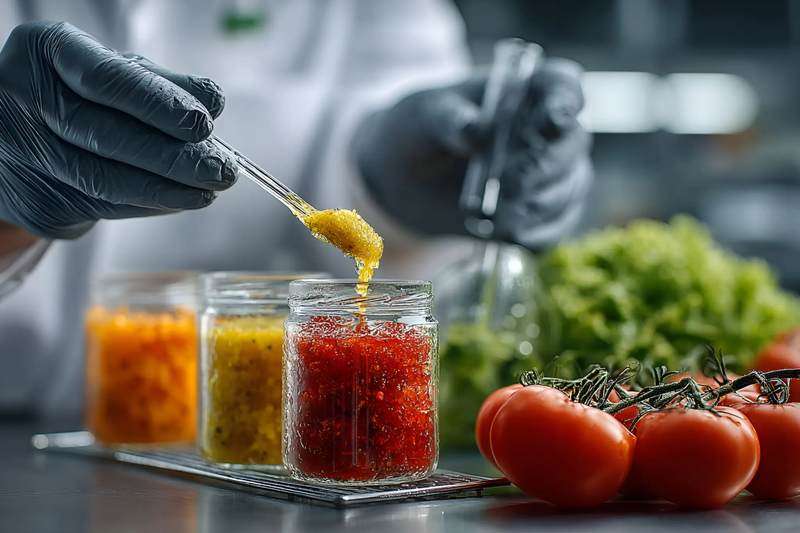
Plant-derived food ingredients may contain phenolic components that influence colour, taste and behaviour during storage. PVPP adsorption is relevant where reducing a defined phenolic fraction is part of the processing objective. A lighter appearance alone does not demonstrate improved ingredient quality, particularly when the desired colour or antioxidant components are themselves phenolic.
For use as a processing aid, the selected grade, permitted application and separation requirements must match the destination market. Food-contact suitability alone is not evidence of permission to add a material directly to food. Performance assessment includes the treated ingredient’s composition and colour, as well as effective removal of the powder.
Pharmaceutical and Health-Product Development
PVPP can be useful in the pretreatment and analysis of herbal extracts when phenolics interfere with the intended separation or assay. A published study on tea extracts demonstrated polyphenol removal using PVPP columns. This supports a defined sample-treatment application rather than a general claim that PVPP improves the stability of oral medicines.
Removing phenolics may also remove desired constituents. Extract recovery, marker-compound retention and the intended activity therefore matter alongside clarity. Any production application involving a medicine or health product requires its own qualified material and validated process.
Crospovidone is the pharmaceutical name used for cross-linked PVP. Its established use as a tablet disintegrant is a separate function from liquid purification: in that application, the excipient remains in the dosage form. A food-processing PVPP grade does not automatically meet pharmaceutical requirements.

Cosmetic Raw-Material Pretreatment
For botanical ingredients intended for personal care, PVPP treatment may be considered when a defined phenolic fraction is unwanted. This is an application-development option based on the polymer’s binding behaviour. It does not establish that every plant extract requires purification or that removing its phenolics will improve the finished cosmetic.
The relevant assessment includes colour change, recovery of useful constituents and residual particles after separation. Any effect on the finished formulation’s appearance must be assessed in that formulation. PVPP pretreatment alone does not establish shelf life, preservative performance or cosmetic safety compliance.

Chemical and Laboratory Purification
In analytical and selected chemical-separation work, PVPP provides an insoluble phase for binding phenolic components. This can be useful for preparing plant samples or studying a mixture before and after polyphenol removal. The target compound and surrounding matrix determine whether adsorption is helpful.
A polymer that remains insoluble may still perform differently as solvent composition, temperature or pH changes. Compatibility and recovery data are therefore needed for a particular intermediate or process liquid. There is no single operating window that establishes PVPP suitability for all aqueous or organic systems.
Process Factors That Affect the Result
Dosage, contact time, mixing and filtration work together. Too little adsorbent may leave the target fraction largely unchanged; excess treatment increases solids loading and can remove more desirable compounds. Comparative trials on representative liquid establish the balance between removal, product recovery and filtration capacity.
Mixing should distribute the particles uniformly under the selected process conditions. The appropriate filtration system must retain the chosen grade without unacceptable throughput loss. Clarity, retained particles and relevant compositional measurements provide a more useful assessment than assuming that any clear filtrate is completely free of PVPP.
Grade Quality, Storage and Handling
Relevant quality characteristics include identity, particle-size distribution, adsorption performance, moisture, soluble substances and application-specific impurity limits. Pharmaceutical, food and other sensitive uses may require different residual-monomer, peroxide, metal and microbiological controls. The applicable specification and batch COA establish the actual requirements.
PVPP is hygroscopic, so closed packaging and storage according to the supplied label help maintain powder condition. Water contact does not inherently destroy adsorption: beverage processes commonly use aqueous PVPP suspensions. Powder handling should follow the grade’s SDS, including appropriate control of airborne dust.
PVPP Supply for Defined Applications
PVPP offers a practical adsorption route where selective reduction of phenolic components is needed. Its value depends on matching the grade to the application and achieving reliable separation while retaining the properties required in the treated liquid.
For PVPP specifications and supply enquiries, contact Unilong through the enquiry form on this page with your application, required quantity and destination market. Include any particle-size, adsorption or documentation requirements relevant to the material you need.
Learn more about Unilong.


: Properties and Purification Applications)