Polycaprolactone (PCL) is a versatile biodegradable polymer widely recognized for its applications in the medical field. With the increasing demand for resorbable medical devices, polycaprolactone has become a material of choice for surgical plates, scaffolds, and customized implants. Its unique properties, including biocompatibility, low melting point, and ease of processing, make it ideal for advanced healthcare applications.
I. What is Polycaprolactone?
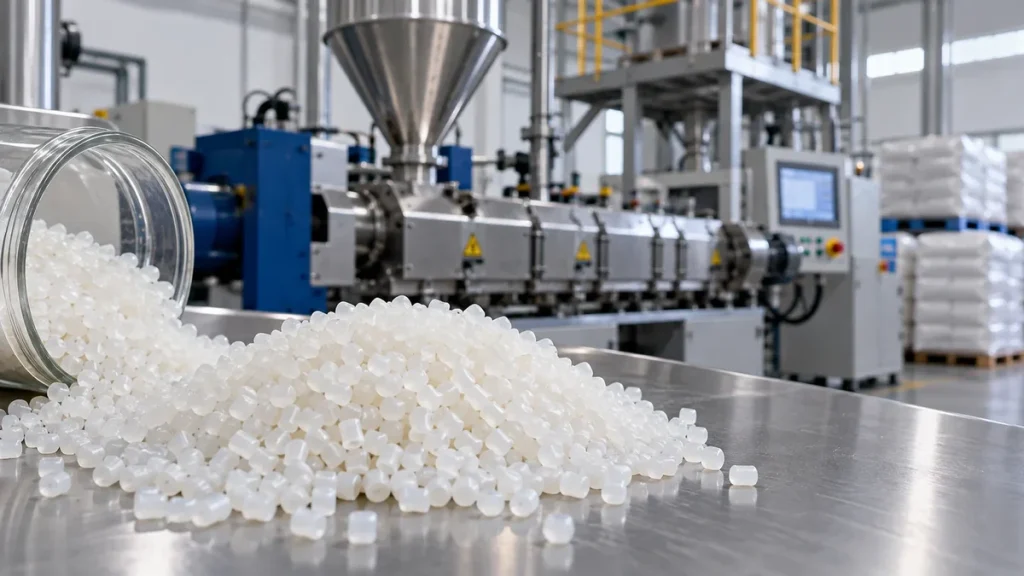
Polycaprolactone (CAS 24980-41-4) is a semicrystalline, biodegradable polymer that degrades slowly in the human body, making it suitable for long-term medical applications. As a PCL polymer, it can be processed into various forms such as filaments, sheets, and membranes. Its mechanical strength and flexibility allow it to be used in both load-bearing and non-load-bearing medical devices.
Unilong, as a manufacturer of polycaprolactone (PCL), offers PCL in both pellet and powder forms, supplying it globally to ensure consistent quality and biocompatibility.

II. Polycaprolactone in 3D Printing
Polycaprolactone (PCL) has emerged as one of the most versatile materials for 3D printing in the medical field. Its unique properties—such as low melting point (around 60°C), biocompatibility, and slow biodegradation—make it ideal for fabricating complex medical devices that are both safe and functional. Modern polycaprolactone 3D printing technologies enable the creation of customized implants, scaffolds, and surgical plates tailored to individual patient needs.
1. Patient-Specific Surgical Plates
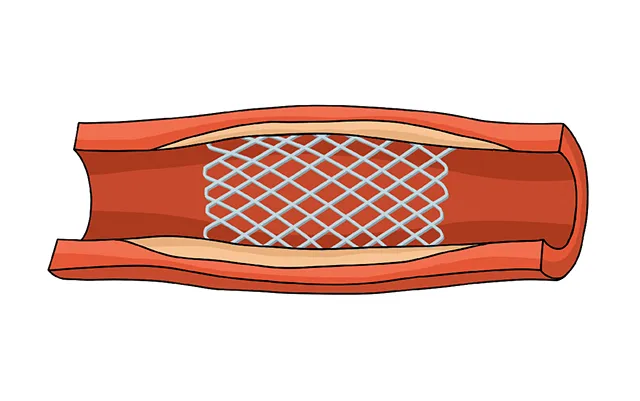
Traditional surgical plates are often made from metal, requiring precise bending and adjustment during surgery. With polycaprolactone 3D printing, manufacturers can create custom resorbable plates that exactly match the patient’s anatomy. Benefits include:
- Reduced surgical time since no intraoperative adjustments are needed.
- Elimination of secondary surgeries to remove metal plates due to PCL’s biodegradable nature.
- Compatibility with load-bearing and non-load-bearing applications when combined with reinforcement materials.
- High-quality polycaprolactone 3D printing filament ensures smooth extrusion, consistent layer adhesion, and precise geometry, which are critical for clinical success.

2. Biodegradable Scaffolds for Tissue Engineering
One of the most advanced uses of PCL in 3D printing is tissue scaffold fabrication. Scaffolds act as temporary structures to support cell attachment, proliferation, and differentiation. Features include:
- Porous structures that mimic the extracellular matrix, allowing nutrient and oxygen flow.
- Gradual biodegradation aligned with tissue regeneration rates, preventing interference with natural healing.
- Compatibility with bioactive coatings or growth factors to enhance cell growth.
- Polycaprolactone PCL scaffolds are widely used for bone, cartilage, and even soft tissue engineering due to their flexibility in design and tunable degradation rate.
3. Drug Delivery Systems
3D-printed PCL devices are also being explored as controlled drug delivery systems. By incorporating drugs into the PCL filament or printing structure, it is possible to achieve:
- Sustained release of therapeutic agents over weeks or months.
- Targeted delivery directly to the surgical or injured site.
- Reduced systemic side effects compared to oral or injectable administration.
- This approach leverages the biodegradable nature of PCL, where the polymer gradually degrades as the drug is released, eliminating the need for device removal.
4. Advantages of Using PCL for 3D Printing
- Low melting temperature allows easy processing with standard 3D printers.
- Biodegradability ensures devices safely degrade over time inside the body.
- Mechanical tunability can be adjusted through filament composition or scaffold design.
- Compatibility with other biomaterials allows composite structures for enhanced performance.
By combining PCL polymer, polycaprolactone 3D printing filament, and advanced printing technologies, medical manufacturers can now produce resorbable plates, scaffolds, and implants that are patient-specific, safe, and highly functional. This makes PCL a preferred material for modern medical devices.
III. Applications of PCL Biodegradable Polymer in Medical Devices
Beyond 3D printing, PCL biodegradable polymer is widely used in medical devices that rely on traditional processing methods such as extrusion, injection molding, and solvent casting. These applications take advantage of polycaprolactone’s biocompatibility, slow degradation, and mechanical flexibility.

1. Resorbable Sutures
PCL sutures provide temporary wound closure while gradually degrading in the body.
The slow degradation rate ensures tissue support during the critical healing period.
Reduces the need for suture removal, improving patient comfort and reducing clinic visits.
2. Controlled Drug Delivery Implants
PCL can be molded into microspheres, rods, or pellets for localized drug release.
Commonly used in chemotherapy, hormonal therapy, or chronic pain management.
Biodegradation of the polymer allows sustained, predictable release without additional surgical intervention.
3. Orthopedic Fixation Devices
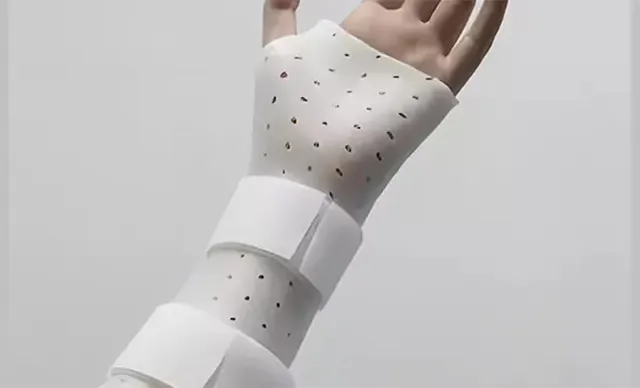
Finger splints, tendon protectors, and other fixation devices made from PCL offer flexibility, mechanical strength, and biodegradability, enhancing patient comfort.
4. Medical Membranes and Dressings
PCL films are used in wound care, providing a protective barrier while allowing gradual biodegradation as healing progresses.
IV. Advantages of Polycaprolactone in Medical Applications
Biodegradability: Gradually breaks down in the body, eliminating the need for removal surgery.
Biocompatibility: Safe for long-term implantation.
Customizable Mechanical Properties: PCL can be blended or copolymerized for enhanced performance.
3D Printability: Enables patient-specific devices and rapid prototyping.
V. Partnering with a Trusted Polycaprolactone Supplier
As a leading polycaprolactone manufacturer and supplier, we provide high-quality polycaprolactone PCL suitable for both 3D printing and traditional medical device applications. Partnering with us ensures:
Customizable Solutions: PCL formulations tailored for scaffolds, surgical plates, sutures, membranes, and drug delivery devices.
Technical Expertise: Guidance on processing methods, regulatory compliance, and material selection.
Global Supply Chain: Efficient delivery to support research, development, and production timelines.
With our premium PCL biodegradable polymer, medical device manufacturers can produce resorbable implants, scaffolds, membranes, and drug delivery systems that are safe, effective, and patient-friendly, advancing the future of modern healthcare.
VI. Conclusion
Polycaprolactone (PCL) has proven to be a versatile and indispensable material in modern medical devices. From 3D-printed surgical plates and tissue scaffolds to resorbable sutures, drug delivery systems, and regenerative membranes, PCL’s biodegradability, biocompatibility, and mechanical flexibility make it an ideal choice for a wide range of medical applications.
As a trusted polycaprolactone manufacturer and supplier, we provide high-quality PCL biodegradable polymer and tailored solutions to meet the diverse needs of medical device innovators. By partnering with us, healthcare manufacturers can develop patient-specific, resorbable, and safe medical devices that improve clinical outcomes and simplify treatment procedures.