


Quick Procurement Information
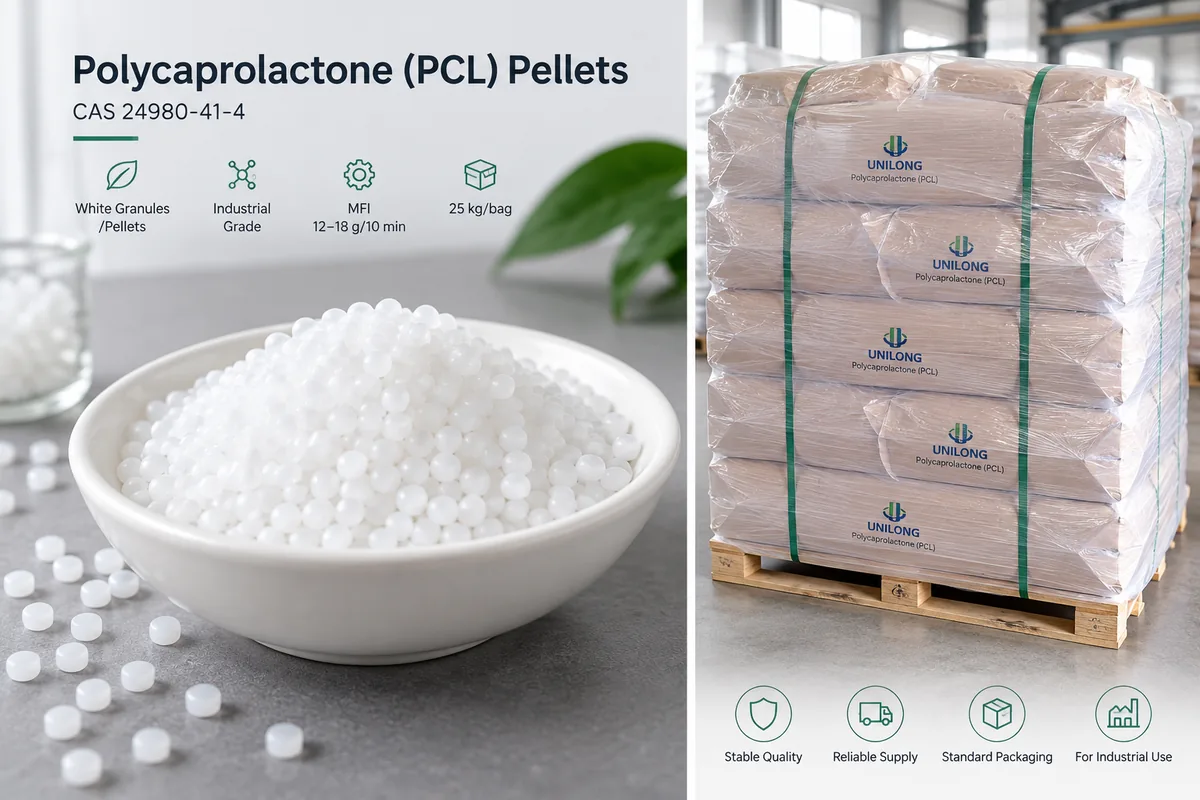
Polycaprolactone (PCL) pellets for industrial processing, formulation development,
production trials and commercial manufacturing. Small quantities are available
for material evaluation before larger-volume purchasing.
Polycaprolactone (PCL) Pellets
24980-41-4
60,000 / 80,000
White Granules / Pellets
Industrial Grade
12–18 g/10 min
25 kg/bag
COA · TDS · MSDS
Lower or higher molecular weights can be customized. For a quotation or grade
recommendation, provide your target application, required molecular weight or
melt-flow range, processing method and expected order quantity.
Polycaprolactone PCL Pellets Overview
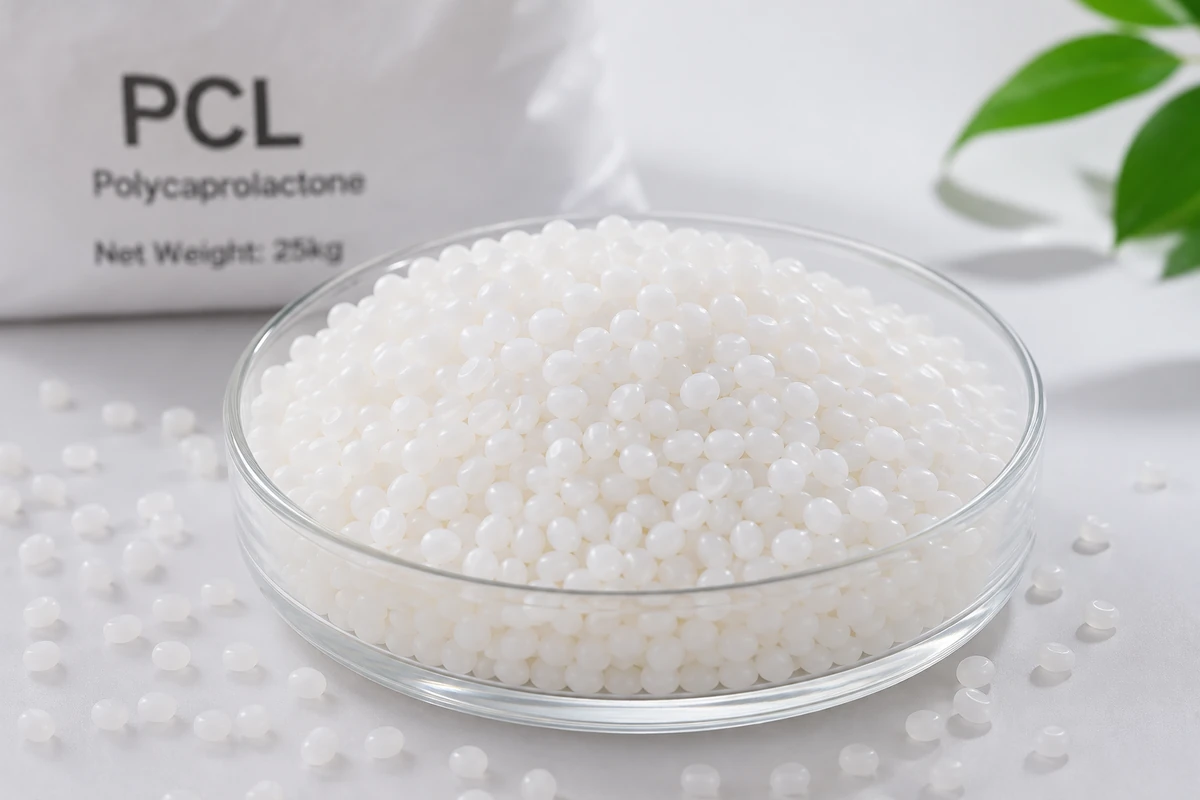
Polycaprolactone (PCL), CAS 24980-41-4, is a semi-crystalline,
biodegradable aliphatic polyester supplied by UliPolymer in pellet form
for industrial raw-material use. It is produced by ring-opening
polymerization of ε-caprolactone.
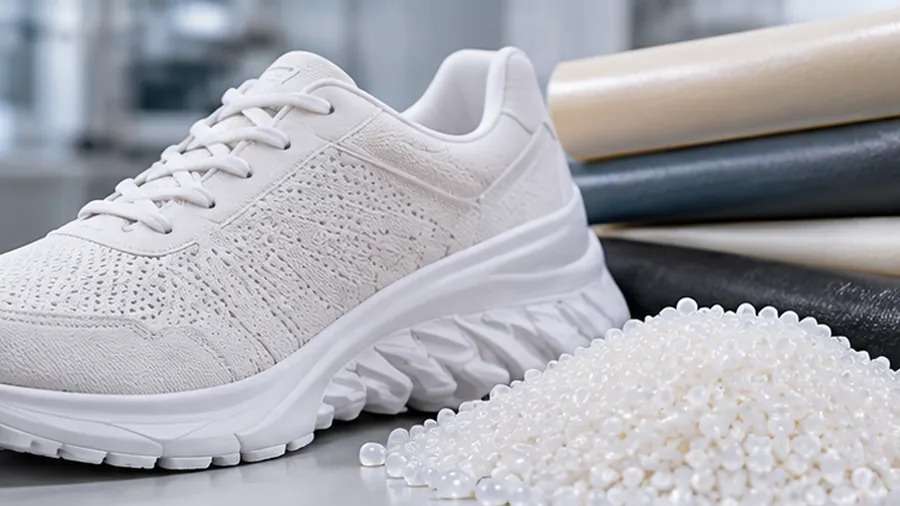
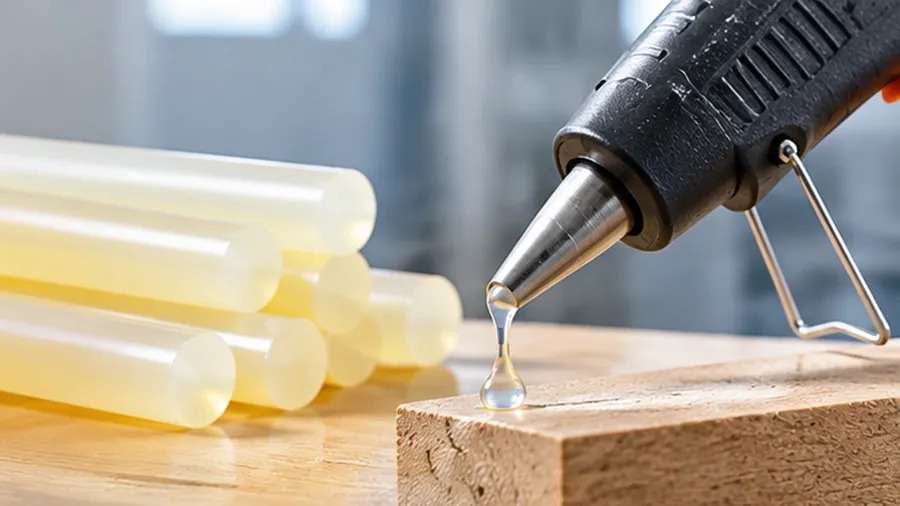
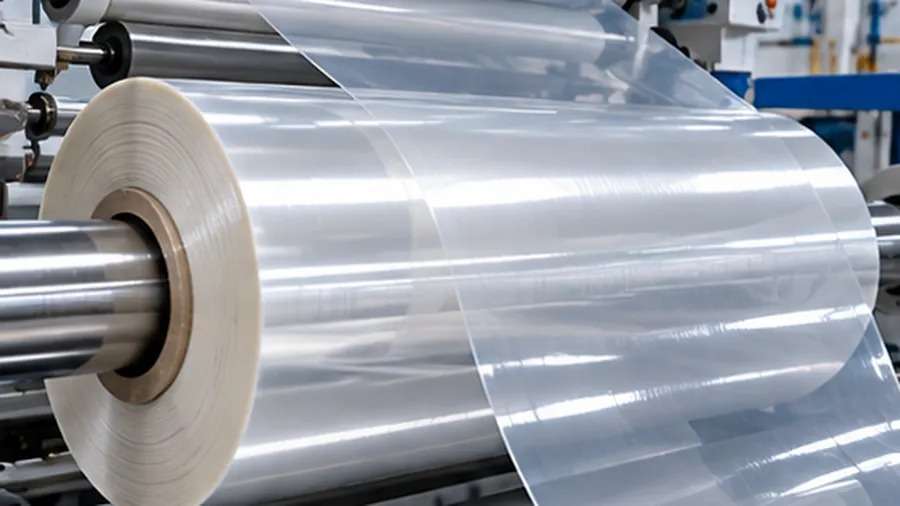
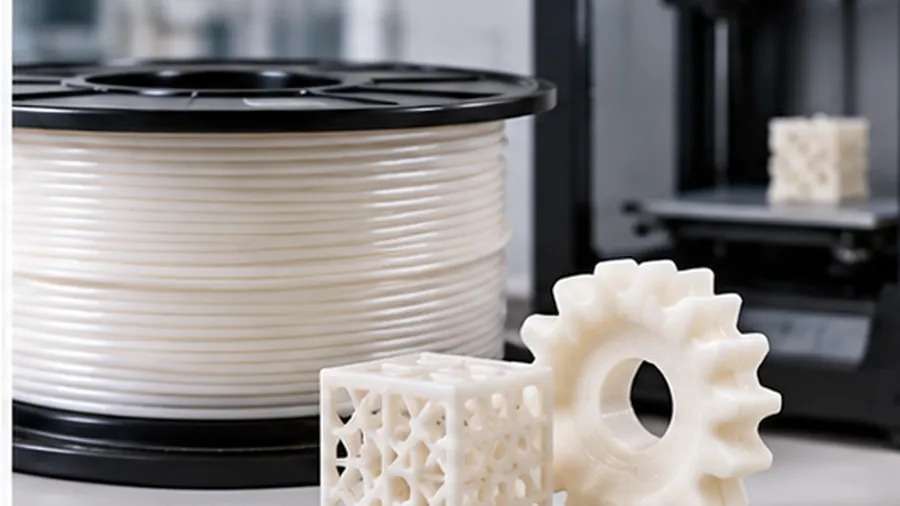
PCL pellets are used as a raw material across polyurethane (PU/TPU)
systems, hot melt adhesives, biodegradable film and packaging,
3D printing consumables and specialized medical applications.
UliPolymer supplies industrial-grade PCL pellets to manufacturers,
compounders, formulators and product development teams for both technical
evaluation — including small-quantity trial orders — and commercial-scale supply.
Small quantities can support formulation and process evaluation before scale-up.
Molecular weight, melt-flow behavior and processing route should be evaluated together.
Current product specifications and batch-related quality information can be reviewed.
Supply can progress from initial evaluation to larger-volume production requirements.
Product Identification and Key Material Properties
General PCL characteristics are shown separately from the batch-tested
quality-control specification so buyers can distinguish material properties
from current product acceptance criteria.
| Property | Detail |
|---|---|
| CAS No. | 24980-41-4 |
| EINECS No. | 244-492-7 |
| 分子式 | (C6H10O2)n |
| Repeat Unit Weight | 114.14 g/mol — caprolactone repeat unit; not the overall polymer molecular weight. |
| Structure | Poly(ε-caprolactone); semi-crystalline aliphatic polyester |
| 外观 | White granule |
| 熔点 | Approximately 60–63°C |
| Glass Transition Temperature | Approximately -60°C |
| 溶解度 | Soluble in aromatic hydrocarbons, ketones and a range of polar solvents; insoluble in n-hexane. |
| Polymer Compatibility | Compatible with PE, PP, ABS, AS, PC, PVAc, PVB, PA and natural rubber, supporting use in blends and modified formulations. |
Technical Specifications
The batch-tested quality-control parameters below apply to this pellet grade;
general material properties are listed separately above.
| 项目 | 标准 | Typical Result |
|---|---|---|
| 外观 | White granule | White granule |
| Hazen (Color, Pt-Co) | ≤75 | 50 |
| Acidity (mg KOH/g) | ≤1.00 | 0.80 |
| 湿气 | ≤0.4% | 0.026% |
| Melt Mass Flow Rate (g/10 min) | 12–18 | 16.94 |
| Free Monomer (%, m) | ≤0.50 | 0.25 |
A Certificate of Analysis for the relevant production batch can be requested prior to order confirmation.
PCL Properties Relevant to Industrial Processing
Low-Temperature Processing
PCL’s relatively low melting point supports low-temperature molding and processing.
Melt-Flow Behavior
Melt mass flow rate helps buyers assess suitability for extrusion, molding and formulation trials.
Batch-Control Parameters
Moisture, acidity and free monomer provide useful quality-control information before processing.
Polymer Compatibility
Polymer compatibility supports evaluation in multi-material formulations and modified polymer systems.
Industrial Applications of Polycaprolactone Pellets
Application suitability depends on molecular weight, melt-flow behavior,
processing conditions and finished-product requirements.
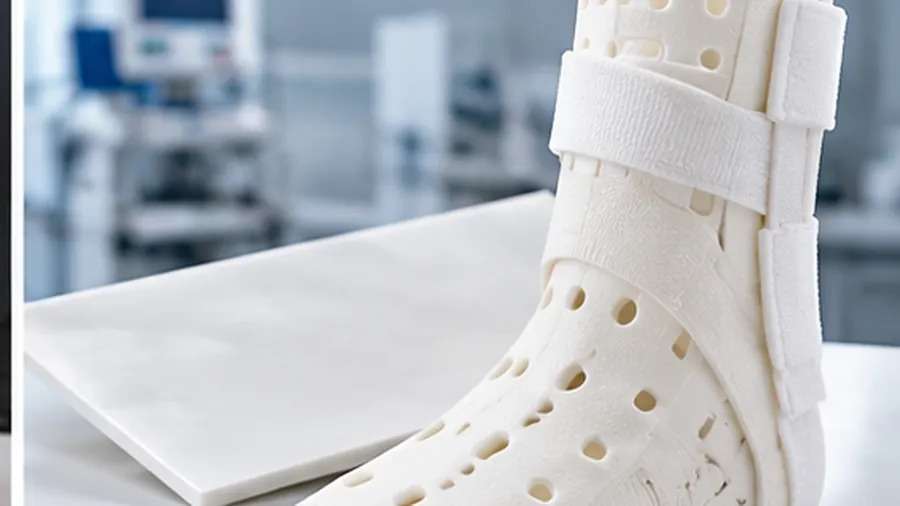
Grade Selection and Technical Evaluation
Regular PCL molecular-weight options include
60,000 and 80,000, with lower or
higher molecular weights available for customized requirements.
Molecular weight, melt behavior and processing window should be considered
together when selecting a grade for production trials.
Sharing these requirements before requesting a trial quantity or quotation
allows the technical and sales teams to match the current specification
and documentation more accurately to the intended process.
PCL Price and Quotation
Polycaprolactone pellet pricing depends on the required grade,
molecular-weight or melt-flow specification, order volume, and any
additional documentation or certification requested. Because pricing
varies by these factors, we do not publish a fixed per-kg price.
For an Accurate Quotation
Storage and Handling
Store PCL pellets in a cool, dry location, in original sealed packaging,
away from direct moisture and prolonged heat exposure.
Reseal partially used bags to minimize moisture pickup between processing runs.
UliPolymer Supply Support
UliPolymer supplies polycaprolactone under the Uli-Eco® brand, supporting
both industrial small-quantity material evaluation and larger-volume
production requirements.
For manufacturing background and long-term supply capability, see our
polycaprolactone manufacturing and supply
information.
Frequently Asked Questions
Practical questions for industrial purchasing, formulation trials,
process evaluation and commercial supply.
What information should I provide when requesting a PCL quotation?
Provide your target molecular weight or melt-flow range, processing
method, end-use application, required physical form and order quantity.
Can I request a sample before placing a commercial order?
Yes. Small quantities are available for material evaluation,
formulation trials or process testing before commercial purchasing.
What technical documents are available for PCL pellets?
COA, TDS, MSDS and supporting compliance documentation are available on request.
How should I select a PCL grade for my application?
Grade selection depends primarily on required molecular weight or
melt-flow behavior, processing method and end-use performance requirements.
Which specifications should be checked before production trials?
Review melt mass flow rate, moisture content, acidity and free monomer
against your process tolerances, and request current batch information before scale-up.
Can PCL pellets be evaluated for polyurethane (PU/TPU) or adhesive formulation trials?
Yes. Small quantities can be provided for PU/TPU, hot melt adhesive
and other industrial formulation trials. Share your formulation
requirements so the applicable grade can be evaluated.
What packaging is available for PCL pellets?
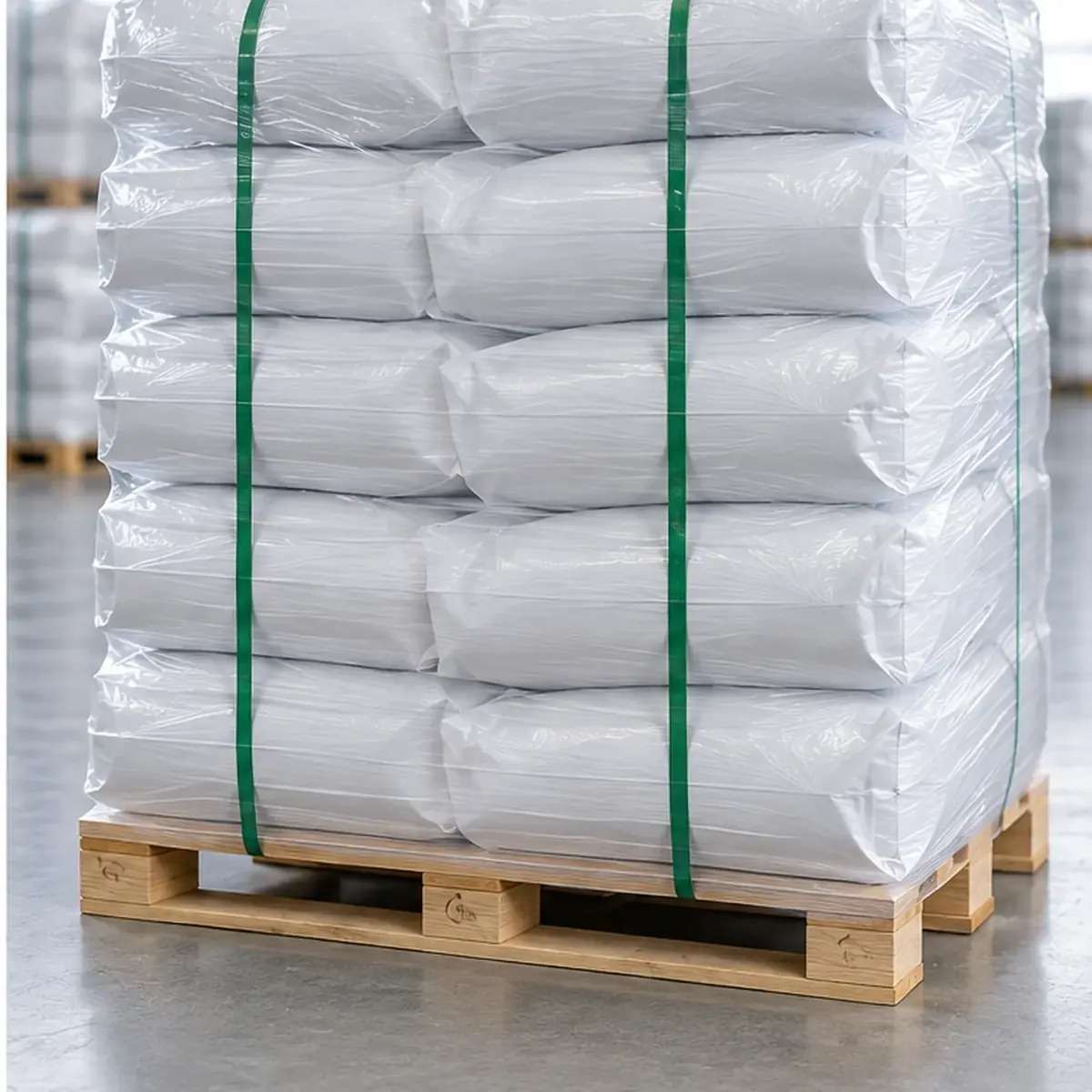
Standard packaging is 25 kg/bag. Contact us to discuss packaging
requirements for your order volume.
Is there a minimum order quantity (MOQ) for PCL pellets?
Both small-quantity industrial trial requirements and bulk commercial
orders are supported. MOQ depends on grade and packaging format.
What is the typical lead time for a PCL pellet order?
Lead time depends on order volume, packaging and current production
or stock schedule. Share your quantity, destination and timeline for confirmation.
Related Products
Alternative PCL forms and related biodegradable polymer materials for
different processing and formulation requirements.
Alternative Form
Polycaprolactone (PCL) Powder
PCL in powder form for applications requiring finer physical-form control.
Application Grade
Hot Melt Adhesive Grade PCL
Dedicated PCL material for adhesive formulation and processing requirements.
Related Raw Material
己内酯CAS502-44-3
Related caprolactone raw material for polymer production and formulation requirements.
Biodegradable Polymer
Polylactic Acid (PLA)
Biodegradable polyester for compounding, film and related polymer applications.
Evaluating PCL for Your Production Process?
Send your application, target specification and required quantity for
small-quantity material evaluation or commercial quotation.


