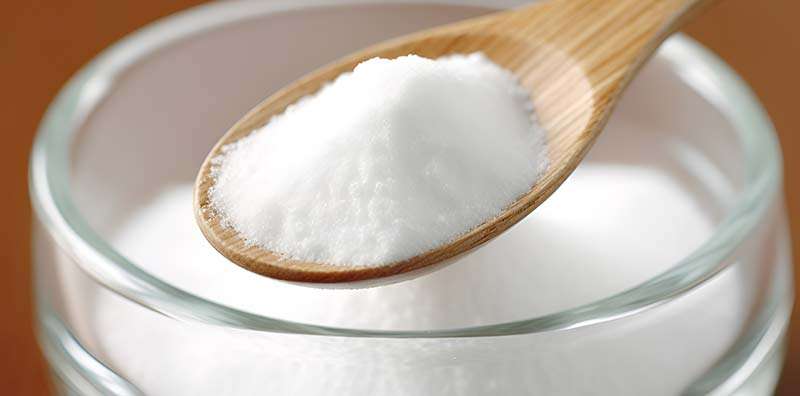
Polyvinylpolypyrrolidone, commonly known as PVPP or crospovidone, is a cross linked polymer material that appears as fine white powder. It does not dissolve in water or most common solvents, yet it can take in water and swell when placed in liquid environments. It carries no smell and shows stable chemical performance under regular working conditions. These basic physical features lay the foundation for its broad use in many modern industrial sectors. While PVPP draws limited public attention, it supports product quality improvement in food-beverage, pharmaceutical, personal-care and environmental-treatment fields. Its core value comes from two key abilities: strong adsorption toward certain organic molecules and quick swelling upon contact with water. Most of its real-world uses build on these two material features.
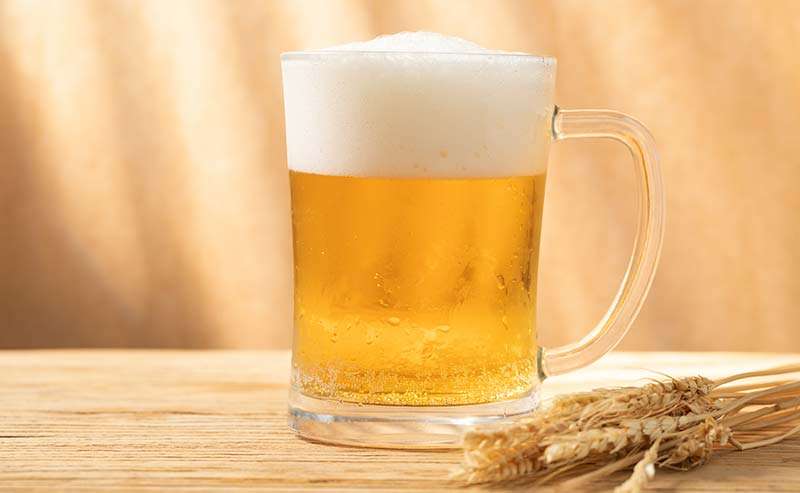
The food and beverage industry represents one major area for PVPP application. Many drinks contain natural polyphenols and tannins from raw plant materials. Such substances may combine with protein molecules during storage, creating tiny suspended particles that make drinks look cloudy. Temperature changes can speed up this cloud-forming process, which hurts visual appearance and shortens shelf life for beer, wine, fruit juice and fermented drinks. PVPP can connect with polyphenol and tannin molecules through hydrogen bonding. After mixing into liquid production systems, it captures these unwanted compounds. Later, operators remove PVPP powder together with adsorbed substances through standard filtration steps. In beer production, PVPP helps control chill haze that appears when finished beer gets cold. It keeps clear visual status and does not bring obvious negative influence on beer foam performance or main flavor features. For wine making, PVPP reduces astringent feelings caused by excess tannins and stabilizes color performance during long-term storage. Fruit juice, cider and some tea-based drinks also adopt PVPP as processing aid to remove turbidity sources and lower oxidation risks. It works as a processing auxiliary rather than a final food ingredient, and will be filtered out before goods reach end consumers. Relevant safety rules in different regions set clear usage limits for beverage-grade PVPP to guarantee product safety for daily consumption.

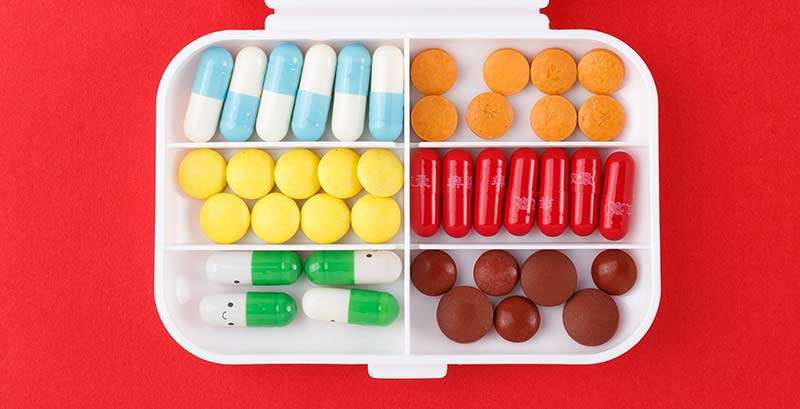
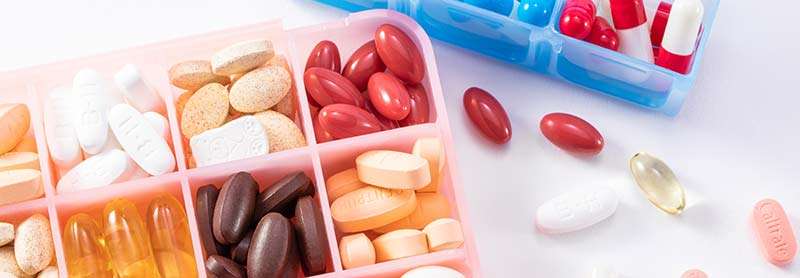
The pharmaceutical industry uses PVPP in large volumes as functional excipients inside oral medicine preparations. Inside tablets and granules, PVPP acts as a disintegrant. When patients swallow tablets, PVPP absorbs water inside digestive tracts and swells fast. The swelling force breaks solid tablet structures into small fragments. This process helps active drug substances release out and dissolve so human bodies can absorb medicine better. Unlike some other disintegrant materials, PVPP seldom forms thick gel layers after water absorption. Gel layers may slow down water entering tablet inner parts and weaken disintegration effects. PVPP fits multiple production workflows including direct powder pressing, wet granulation and spray-drying processes. It shows good flow property when mixed with drug powder, which supports stable mass production in drug workshops. Besides tablet disintegration, PVPP works as adsorbent in lab sample handling. Researchers add PVPP into plant-origin test samples to bind phenolic and alkaloid impurities. This treatment reduces interference and raises accuracy for protein-related chemical tests. In some special medical treatment systems, PVPP serves as adsorbent medium to catch harmful toxin substances from body fluid, offering support for certain blood-purification treatment routes.
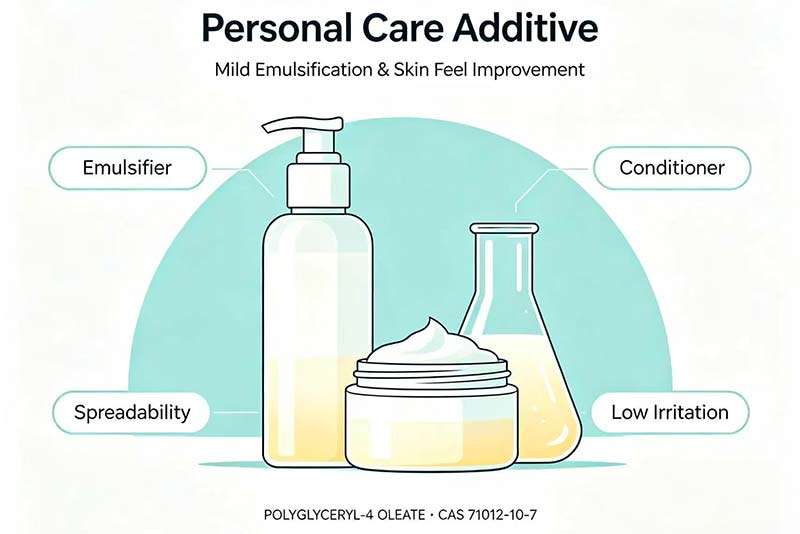
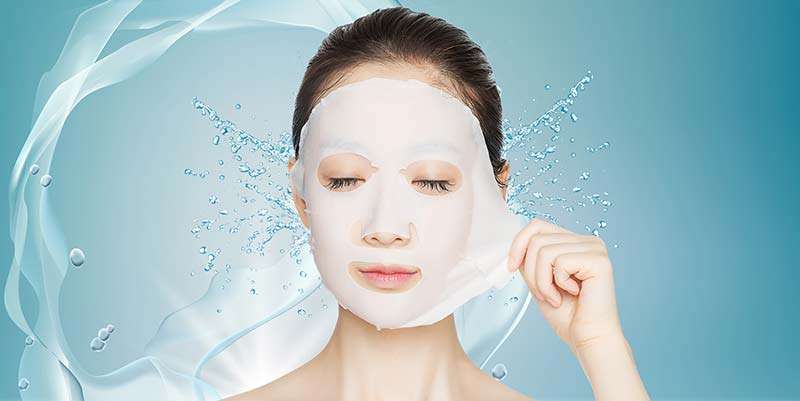
Personal-care and cosmetic sectors also adopt PVPP in different product formulas. Its porous adsorption capacity and chemical inert quality make it suitable for skin-care, hair-care and oral-care goods. In skin-care products, PVPP stabilizes mixed raw-material systems and helps keep active ingredients from fast degradation. It improves texture uniformity and reduces risks of liquid-solid separation inside lotions and creams. Some mask formulas add PVPP to adjust skin-contact feeling and control partial substance adsorption on skin surface. For hair-care goods such as shampoo and hair styling products, PVPP helps adjust product viscosity and supports mild film-forming effects on hair threads. In toothpaste formulas, PVPP assists dispersion of functional components and brings stable texture for daily-use oral products. Manufacturers select proper particle-size grades of PVPP according to target product requirements. All cosmetic-use PVPP needs to meet strict purity standards to avoid skin irritation risk for end users.
Apart from consumer-related industries, PVPP finds practical value in environmental-protection and chemical-processing fields. Water-treatment workflows take advantage of its adsorption performance. PVPP powder can trap organic pollutants such as dye residues and pesticide-related molecules inside waste water. It works as one optional deep-purification material for partial industrial waste-water treatment. After adsorption saturation, PVPP can get separated from water phase through filtration. In biochemical separation work, PVPP helps remove phenolic disturbance substances from raw extract liquid, simplifying follow-up purification steps for natural-product extraction. Some pesticide-processing workflows add PVPP to improve formulation stability and reduce negative influence from certain plant-derived impurities. New exploration keeps expanding possible application scenarios for PVPP, as researchers test its performance in more separation-oriented technical routes.
Looking at market trends, growing attention toward product stability pushes steady demand for PVPP across different downstream sectors. In beverage markets, consumers place higher requirements on visual appearance and storage performance of bottled drinks, which drives stable consumption of PVPP as clarification processing aid. In pharmaceutical production, the rise of generic-drug manufacturing brings stable need for qualified excipient materials including PVPP. Different application scenarios require different particle-size and purity grades of PVPP. Beverage-processing uses prefer fine-particle grades for fast adsorption speed, while tablet-making may choose medium-particle grades for better powder flow and filtration performance. Production teams adjust technical parameters to make PVPP products match different industrial needs.
As a functional polymer material, PVPP seldom appears on product ingredient labels for end-user goods. Even so, it delivers real-world value behind many daily-used goods. Its adsorption and swelling features connect multiple industries together. Food-beverage producers rely on it for clearer drink appearance. Drug factories depend on it for reliable tablet disintegration. Cosmetic formulators use it for stable product texture. Environmental-treatment workers test its potential for pollutant removal. Future technical development may open more new application directions for this cross-linked polymer.