

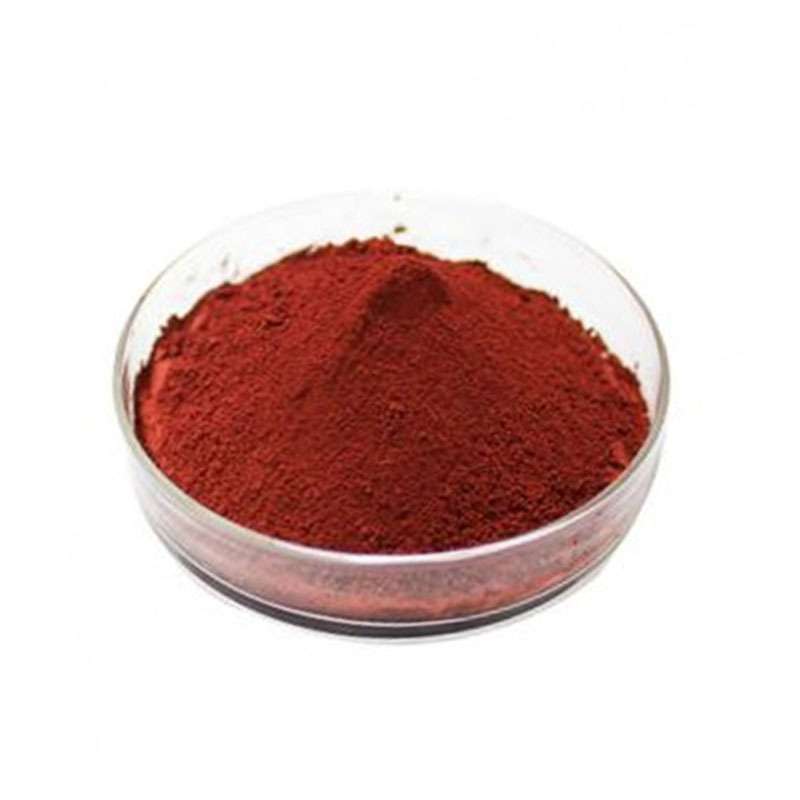
Povidone-iodine (PVP-I), CAS 25655-41-8, is a complex of polyvinylpyrrolidone and iodine, supplied as a brown to reddish-brown powder. It combines an iodine carrier with water solubility, making it useful in the manufacture of iodine-based antiseptic preparations. The commercial raw material and the finished antiseptic are different products: iodine content, formulation and intended use all matter.
Healthcare and veterinary hygiene are established application areas. Aquaculture has specific hatchery uses, while food-contact hygiene and plant-related applications need a closer look at the exact product and evidence. These fields do not share a single interchangeable grade or universal dilution.
Properties That Matter in Formulation
PVP-I dissolves in water and ethanol. In aqueous systems, iodine exists in equilibrium between the complex and the free form. This supports its antimicrobial action, but a higher nominal PVP-I concentration does not automatically produce a proportionally higher free-iodine level. Solvent composition, pH and other formulation ingredients affect the resulting system.
Compatibility also needs attention. Reducing agents and some surfactants or excipient impurities can impair iodine stability. Packaging can influence iodine retention during storage. These formulation considerations are described in BASF PVP-Iodine technical information (2017); they are reasons to test a complete formula rather than assume that every soluble ingredient is compatible.
| Material characteristic | PVP-I overview |
|---|---|
| Identity | Povidone-iodine / PVP-I; CAS 25655-41-8 |
| Appearance | Brown to reddish-brown powder |
| Solubility | Soluble in water and ethanol |
| Available iodine | An assay parameter for the raw material; separate from finished-product PVP-I concentration |
| Grade | Defined by the supplied specification and supporting documents, not by the CAS number alone |
The public USP monograph preview defines povidone-iodine as containing 9.0–12.0% available iodine on the dried basis. Commercial pharmacopoeial grades are supplied against a stated specification. Current compliance with a claimed USP or European Pharmacopoeia grade is established through the applicable monograph and supporting batch documentation.
Medical and Healthcare Formulations
PVP-I is used in topical antiseptic products for skin preparation and first-aid care. Different finished formulations serve different purposes. For example, a published professional scrub label lists a 7.5% PVP-I scrub for antiseptic skin preparation, including patient preoperative preparation. The finished formula and topical labelling define that use.
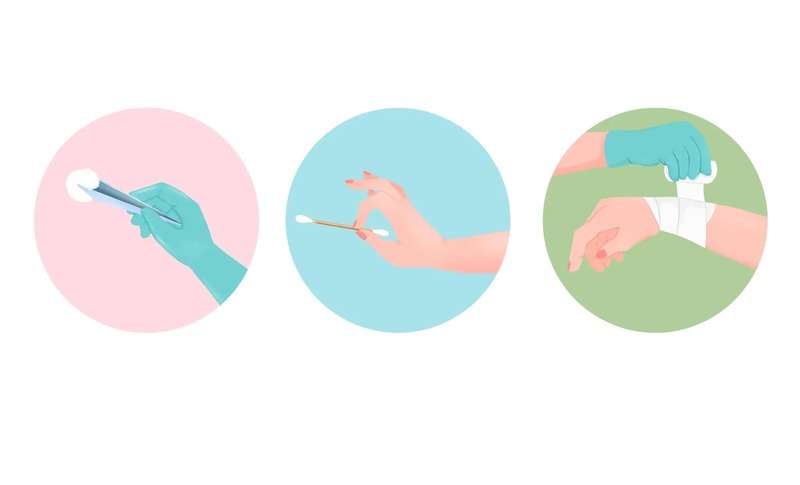
Oral, mucosal and other specialised routes require their own suitable formulations and labelling. A skin-antiseptic specification does not establish suitability for every route. Medical-device processing requires a separately validated product and process. Skin tolerability depends on the finished formula and exposure conditions; irritation and sensitivity remain relevant even when PVP-I is the active ingredient.
Veterinary Hygiene and Aquaculture
Veterinary hygiene includes purpose-made iodine and PVP-I products for particular animal-care settings. As one concrete example, the EU-authorised product family described in Regulation (EU) 2026/473 includes PVP-I-based udder and teat disinfectants. Its authorised uses belong to those finished formulations, rather than to every raw material sold under the same CAS number.
In aquaculture, a well-documented use is surface disinfection of salmonid eggs in hatcheries. The WOAH: surface disinfection of salmonid eggs recommendations describe povidone-iodine within a defined egg-disinfection protocol. Egg stage, solution conditions and handling are part of that protocol; it is not a general recommendation to dose an entire pond or treat every aquatic species.
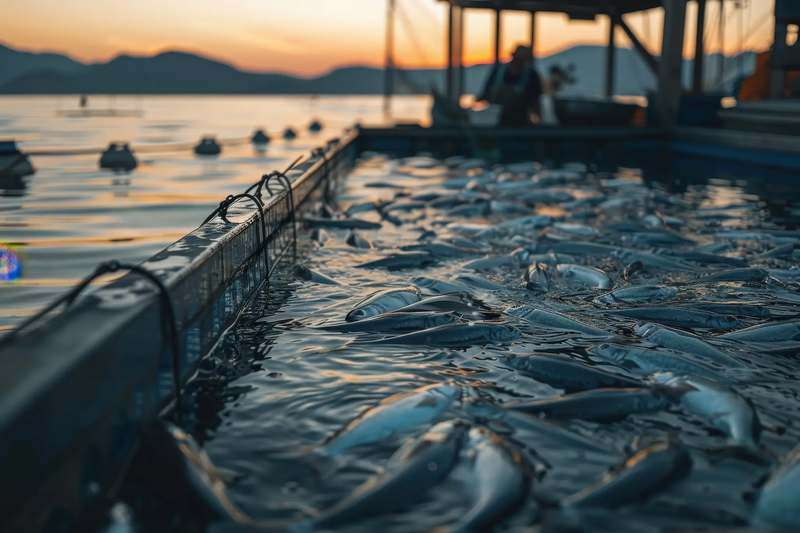
Hatchery products are selected for their intended egg-disinfection task and established protocol. This use is separate from routine pond-water management or treatment of live fish.
Food-Processing Hygiene: Check the Current Use
Food-processing sanitation needs separate treatment from skin antisepsis or animal hygiene. The presence of iodine in a formulation does not, by itself, establish that it is suitable for food-contact surfaces. The precise finished product, intended surface, residues and any rinsing directions matter.

European requirements illustrate the importance of current product status. Commission Implementing Regulation (EU) 2026/473 records that iodine and PVP-I approval for product-type 4 expired on 31 August 2025. It removes those uses from the named CID LINES NV product family and sets transition dates for its existing stocks. For manufacturers supplying Europe, an historical food-processing listing does not establish current market access. The status of a specific product in another market requires a separate assessment.
Household First-Aid Products
A relevant household application is a labelled, finished first-aid antiseptic. One published first-aid antiseptic label identifies a 10% PVP-I solution containing 1% available iodine for minor cuts, scrapes and burns. This illustrates an important distinction: the PVP-I percentage on a finished-product label is not the percentage of available iodine.

A household first-aid product is also different from a general-purpose cleaner or spray for objects and rooms. The raw powder is an ingredient for manufacture, while household products are formulated, packaged and labelled for a defined task.
Plant and Seed Research
PVP-I has been investigated in plant-material disinfection, including controlled seed and seedling culture work. Results are specific to the species and treatment. A 2025 study in Marine Biology on Posidonia oceanica found that a tested PVP-I treatment could reduce germination success, showing why antimicrobial activity alone is not enough to establish plant suitability.
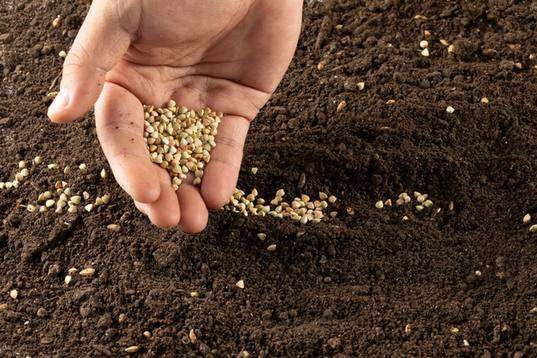
Such research does not establish a general field-seed treatment, greenhouse disinfectant or crop-protection claim. Plant viability and subsequent growth need consideration alongside contamination control. Commercial agricultural use would require evidence and an applicable product status for that specific use.
Storage and Raw-Material Quality
Store the supplied powder according to its current label and safety data sheet, keeping the container closed and protected from unsuitable heat, moisture and light. Raw-material shelf life and the stability of a prepared solution are separate matters, each dependent on its own storage and stability data.
For formulation work, useful quality information includes identity, available-iodine assay and its calculation basis, appearance, loss on drying and relevant impurity limits. The specification describes the agreed limits; the corresponding COA reports the batch results. The finished preparation still needs its own stability and performance assessment for the intended application.
PVP-I Supply for Your Application
Unilong supplies povidone-iodine PVP-I, CAS 25655-41-8. For a specification or quotation enquiry, share your intended application, destination market and required quantity through the enquiry form on this page.
Learn more about Unilong.


: Properties and Applications)